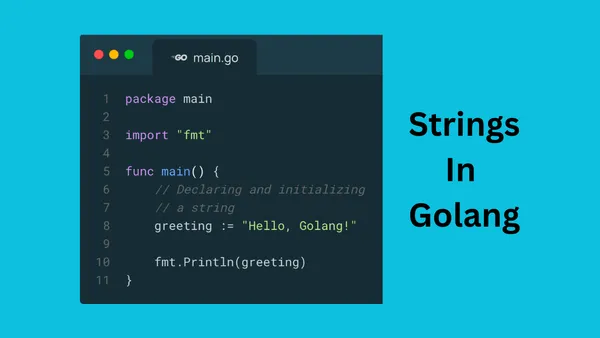
I frequently encountered the notion that strings are immutable in languages like Java, Python, and JavaScript. I always thought the concept was clear until I compared it with Go's string handling. Here, I’ll share the differences I discovered.
I frequently encountered the notion that strings are immutable in languages like Java, Python, and JavaScript. I always thought the concept was clear until I compared it with Go's string handling. Here, I’ll share the differences I discovered.
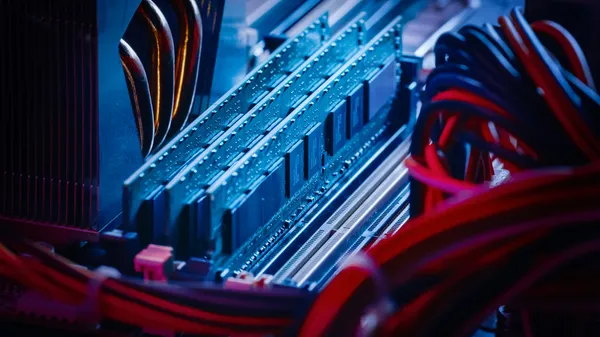
Memory regions are like your brain's filing cabinets: each drawer holds different stuff. The "heap" is where you throw new junk (dynamic memory), the "stack" is for short-term stuff like Post-its (local variables), the "data segment" holds the pre-set goodies (global/static variables), and the "text segment" is the instruction manual (code). Just don't let the drawers overflow – or it's chaos!

A display server controls what you see on your screen. It helps show windows, manage your mouse and keyboard, and make sure everything looks right. Think of it as the manager of your computer's visual display. Popular ones are X11 and Wayland.
Java Exception Handling is a mechanism that helps manage runtime errors, ensuring the smooth execution of programs. Exceptions in Java are unexpected events or conditions, like division by zero, null references, or invalid input, that disrupt normal program flow. Java uses a robust try-catch block system to catch and handle these exceptions.
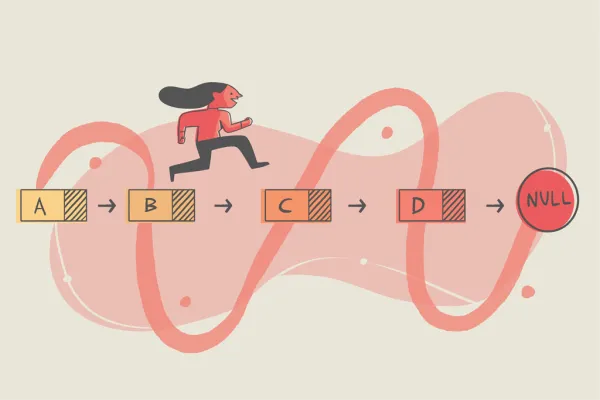
A linked list is special because it allows dynamic memory allocation, enabling efficient insertion and deletion of elements without needing to shift data. Unlike arrays, linked lists grow and shrink as needed, making them flexible for managing varying data sizes. Each element, or node, points to the next, offering efficient traversal but requiring more memory for pointers.
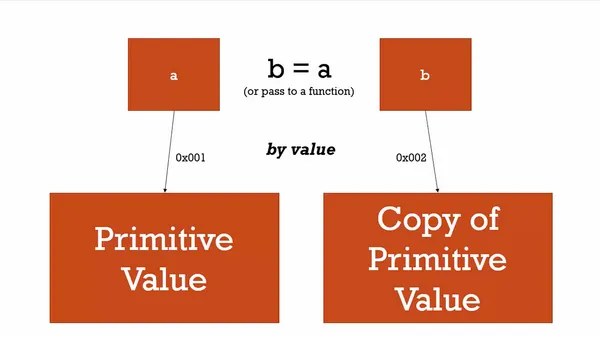
Think of it like giving someone a copy of your house key - they get a copy (pass by value), but they can still use it to change what's inside the house (the underlying data).